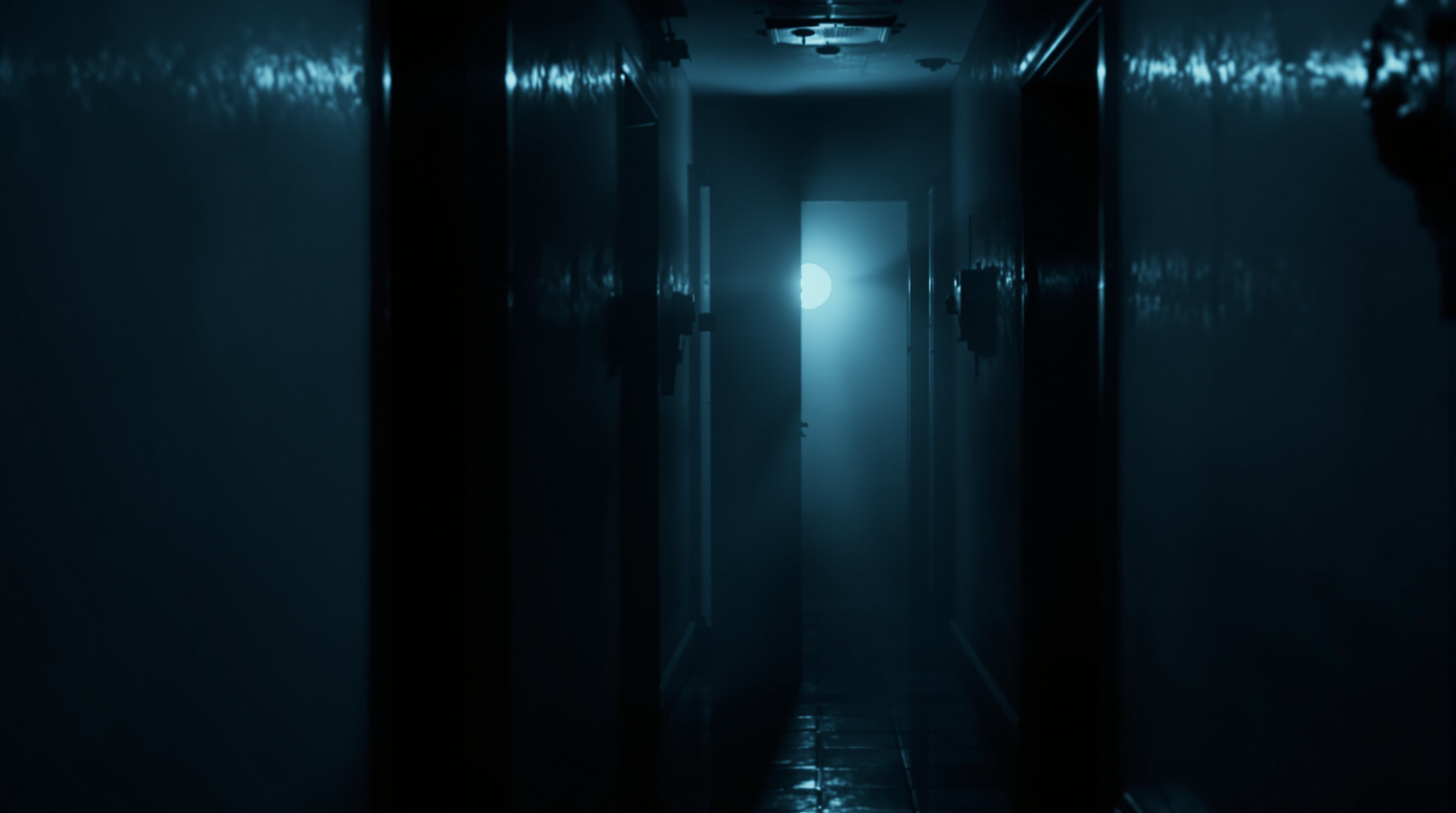
There is a reason so many filmmakers cut their teeth on horror and genre shorts. The genre thrives on exactly the conditions independent film lives in: darkness, suggestion, a single location, a small cast, and the power of what you do not show. Horror rewards imagination over budget more directly than almost any other form. Learn to frighten an audience with a shadow and a sound, and you will have learned to control attention itself — the skill underneath all of filmmaking.
Dread Lives in What You Withhold
The cheapest and most powerful tool in genre filmmaking is restraint. What the audience imagines in the dark is always more terrifying, and more specific to their own fears, than anything you can afford to build and show. A door left ajar, a figure just out of focus, a sound with no visible source — these cost nothing and work better than a fully rendered monster. The moment you reveal the threat, you trade dread for spectacle, and spectacle is the one thing a micro-budget cannot win. Withhold, and let the audience's mind do your most expensive work for free.
Atmosphere Is Built, Not Found
Atmosphere — that thick, uneasy sense that something is wrong — is constructed deliberately from image and sound. It comes from the pooled shadow you allow in a corner, the slightly-too-long silence before a sound, the cold cast of light in a familiar room made strange. Your lighting is your primary instrument here: shape darkness rather than banishing it, and let the frame breathe with menace. Then let sound do the rest, because in horror the ear is more frightened than the eye.
Sound Is Your Scariest Department
Ask anyone who studies the genre and they will tell you fear is carried by sound. The low tone you feel before you notice it, the wet detail that makes a moment unbearable, the sudden cut to total silence — these are what tighten the chest. A visually modest scene with a masterful soundscape terrifies; a lavish one with weak sound merely passes the time. Invest your post-production care disproportionately in sound, and your small film will punch far above its budget.
Earn the Scare With Character
A scare only lands if we care about the person it happens to. The best genre shorts spend their early minutes making us believe in an ordinary human being — giving them a small, relatable want — so that when the world turns against them, we feel it in our own body. Terror without attachment is just noise. This is why the genre is such good training: it forces you to build real character quickly and economically, and then to pay it off. Master that, and you can make an audience feel anything.
Respect the Tradition
Genre filmmaking has a deep and serious history, from the German expressionists to the low-budget masterworks preserved by institutions like the National Film Registry. Study the films that frightened generations before you with a fraction of today's tools, and you will see the same principles at work: restraint, atmosphere, sound, and character. The technology changes; the craft of dread does not.