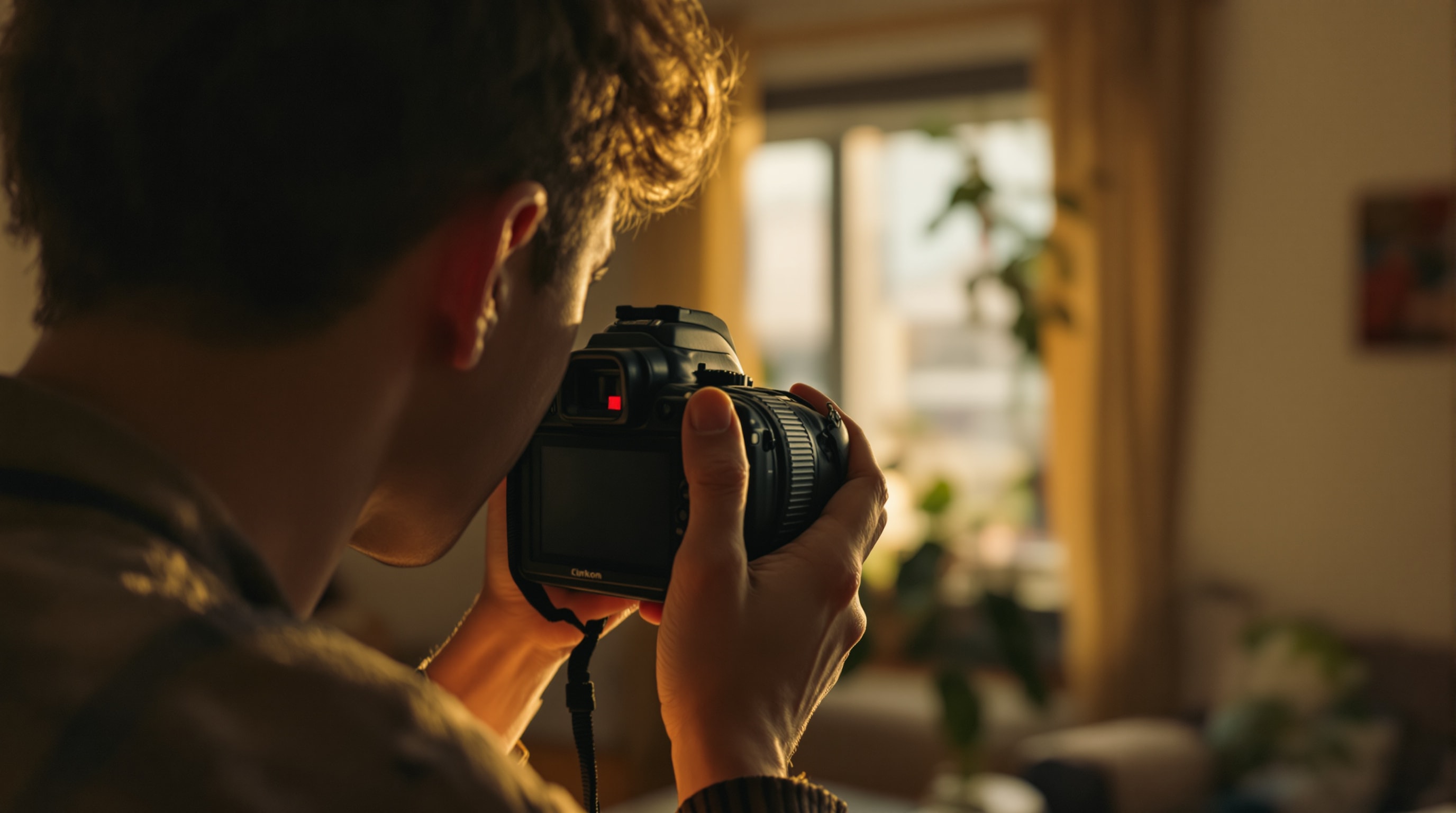
The short film is the sonnet of cinema: a form defined by its limits, where every choice shows. It is also the single best way to learn filmmaking, because you touch every part of the process in a few compressed weeks instead of a few punishing years. This guide walks through the whole arc of a first short — not the film-school version, but the one you can actually pull off with friends, a borrowed camera, and a couple of free weekends.
Start With an Idea You Can Afford
The most common way a first short dies is ambition. A script with a car chase, a rainstorm, twelve speaking roles, and a period costume is a script you will never finish. The discipline of the short form is to find the smallest possible container for the biggest possible feeling. One location. Two or three characters. A single, clear want. A great short is often just one good scene that has been earned.
Look for stories built from what you already have access to: the apartment you live in, the friend who can act, the stretch of woods at the edge of town. Constraints are not the enemy of creativity — they are its engine. When you cannot afford a spaceship, you write a story about the person watching it leave, and you have discovered something better.
Write for the Screen, Not the Page
A short screenplay is a blueprint, not a novel. Aim for roughly one page per minute of screen time, and remember that on film, behavior beats dialogue almost every time. If a character can show what they feel by doing something, let them do it. Our guide to screenwriting for the short goes deeper, but the working rule is simple: cut every line the image already tells you.
Build the Smallest Crew That Works
You do not need a forty-person unit. A functional micro-budget short can be made by four or five people who each wear several hats. At minimum you want someone framing the shots (a director of photography), someone capturing clean sound, and someone keeping the day on schedule and fed. Sound is the part beginners underestimate most: audiences forgive a rough image far more readily than muddy, echoing dialogue. Budget your care accordingly. The producing guide covers how to assemble and schedule this team.
Prep Until It's Boring
Films are won in preparation. Before a single frame is shot, walk your locations at the time of day you will film. Draw a shot list — even a rough one — so you are not inventing coverage while ten people wait. Make a schedule that groups shots by location and by lighting setup, not by script order. Every hour you spend planning buys you two on set. Professionals call the unglamorous work of pre-production the reason the shoot feels calm; amateurs skip it and call the resulting chaos "the magic of filmmaking."
Give Every Scene an Exit Plan
A shot list should record priorities, not just wishes. Mark the image without which the scene will not make sense, the performance beat without which it will not matter, and the extra coverage you can lose when the day slips. Start with the essential version. Once it is clean, earn the inventive angle, the elaborate move, or the insert you may never use. This order protects the finished film from the familiar disaster of having six beautiful fragments and no complete scene to connect them.
Plan exits for practical trouble as well. Decide what happens if rain changes the exterior, traffic ruins the sound, a prop breaks, or a room becomes unavailable. The answer need not be grand: move the exchange to a hallway, replace a wide shot with two tighter frames, or let a sound cue carry information you cannot show. Tell the crew which compromise is acceptable before pressure arrives. Resourcefulness works best when it has been rehearsed. A fallback is not an admission that the plan will fail; it is the reason a difficult day can still end with footage the editor can shape into a film.
Shoot for the Edit
On the day, your job is not to capture the scene — it is to capture the pieces the edit will need. That means a wide shot to establish geography, tighter shots for the emotional beats, and a few cutaways to give your editor room to breathe and to hide the seams. Always get a clean take of each setup before you get creative. And protect your audio: record thirty seconds of room tone at every location, the silent sound of the space itself, which your sound edit will thank you for endlessly.
Finish It
The hardest and most important step is the last one: actually finishing. A short that is ninety percent done teaches you nothing; a short that is finished, flaws and all, teaches you everything. Cut it, mix the sound, grade the color, put your name on it, and let people watch it. The gap between the film in your head and the film on the screen is where you learn, and you only cross it by shipping. When your first is done, the festivals and distribution guide covers where it can go next.
For technical deep-dives as you progress, the resources at the British Film Institute and the craft interviews at No Film School are dependable companions. But nothing on any website will teach you as much as your own first finished short.