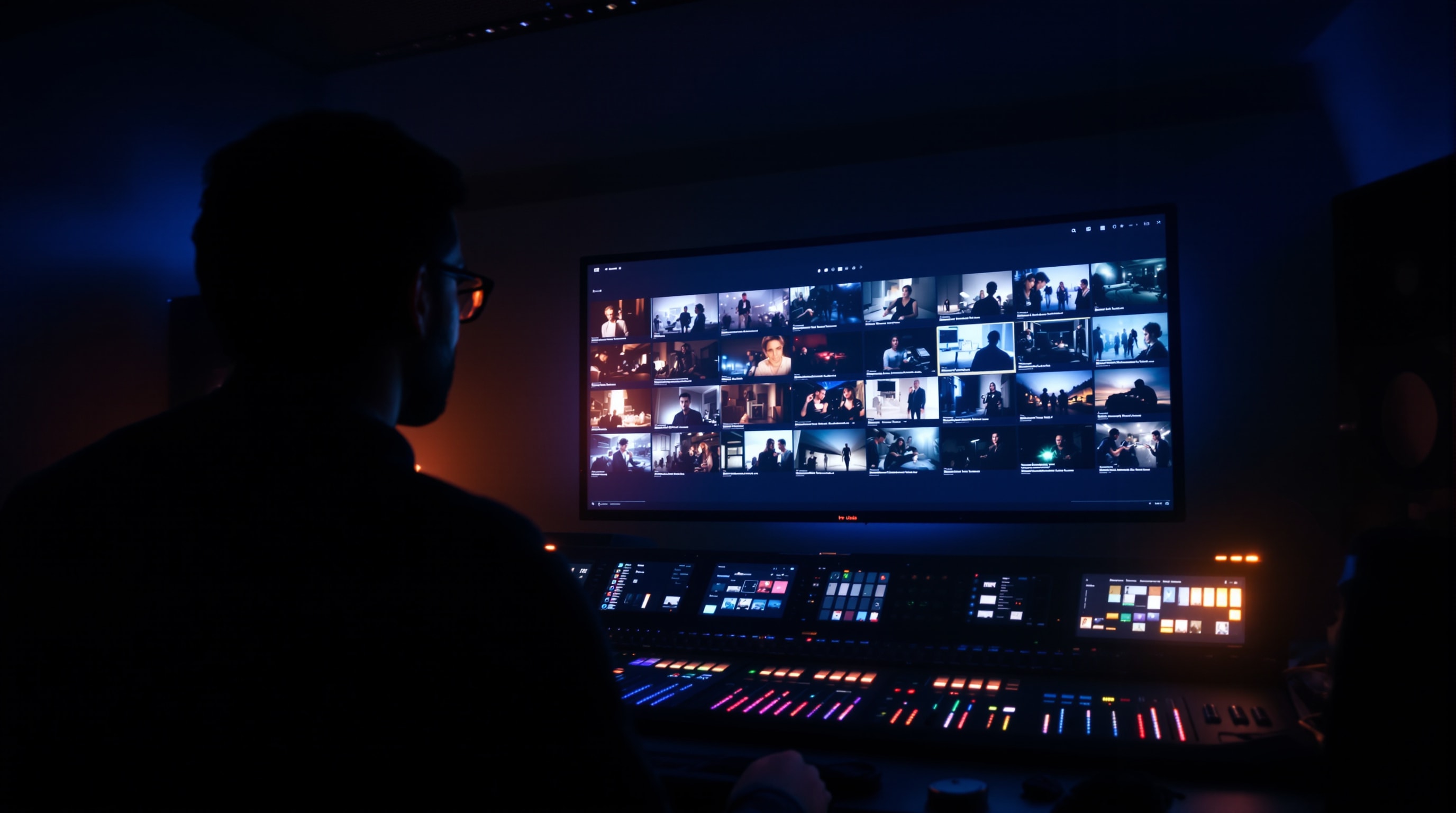
Long before anyone reads your resume or watches a full short, they watch your reel — a short, curated montage of your strongest moving-image work. For a director, cinematographer, or editor, the reel is the single most important calling card there is. It is not a highlight of everything you have done; it is an argument about what you can do, made in the language of the work itself. A great reel gets you in the room. A weak one closes the door before you knew it was open.
Open With Your Best, Not Your First
The most important seconds of a reel are the first ten. The person watching is busy, skeptical, and one click from moving on, so the opening shot must be your strongest single image — the one that makes them stop scrolling and pay attention. Never build up chronologically to your best material; lead with it. If the finest thing you have ever shot is at second ninety, no one will ever see it. Front-load your talent ruthlessly.
Shorter Is Almost Always Better
Beginners pad reels out of insecurity, as if length proves worth. It proves the opposite. A tight sixty to ninety seconds of genuinely strong work beats three minutes that dilute it. The people watching reels do this all day; they can read your ceiling in moments, and every weak shot you include lowers their estimate of you. Cut anything you are not proud of. A reel is judged by its worst shot as much as its best, because the weak shot tells the viewer what you are willing to sign your name to.
Show Range, But Keep a Voice
A reel should demonstrate that you can handle different registers — a quiet emotional beat, a moment of tension, a bit of visual bravura — without feeling like four different people made it. The connective tissue is your sensibility: a way of seeing that runs through everything. If you specialize, lean into it; a reel that clearly says "this person shoots intimate, naturalistic drama" is more useful to the right employer than one that says "this person does a little of everything." Specific beats generic.
Cut It to Sound
A reel lives and dies on its edit, and the edit lives on its music and pacing. Choose a track that matches the tone you want to project and cut your images to its rhythm, letting the strongest shots land on the strongest beats. The same footage cut to the wrong music feels amateur; cut to the right music with real rhythmic intent, it feels like the work of someone who understands the medium — which, if you have absorbed the editing craft, you do.
Make It Effortless to Watch
Host the reel where it plays instantly, on any device, without a login or a download. Label it with your role clearly, so a viewer knows whether they are watching your directing, your camerawork, or your cutting. Keep a current version always ready to send, because opportunities arrive without warning and a reel you have to "update first" is a reel you will miss the moment with. Your work should be one link away, always. Pair it with strong production stills and you have a complete, professional package.