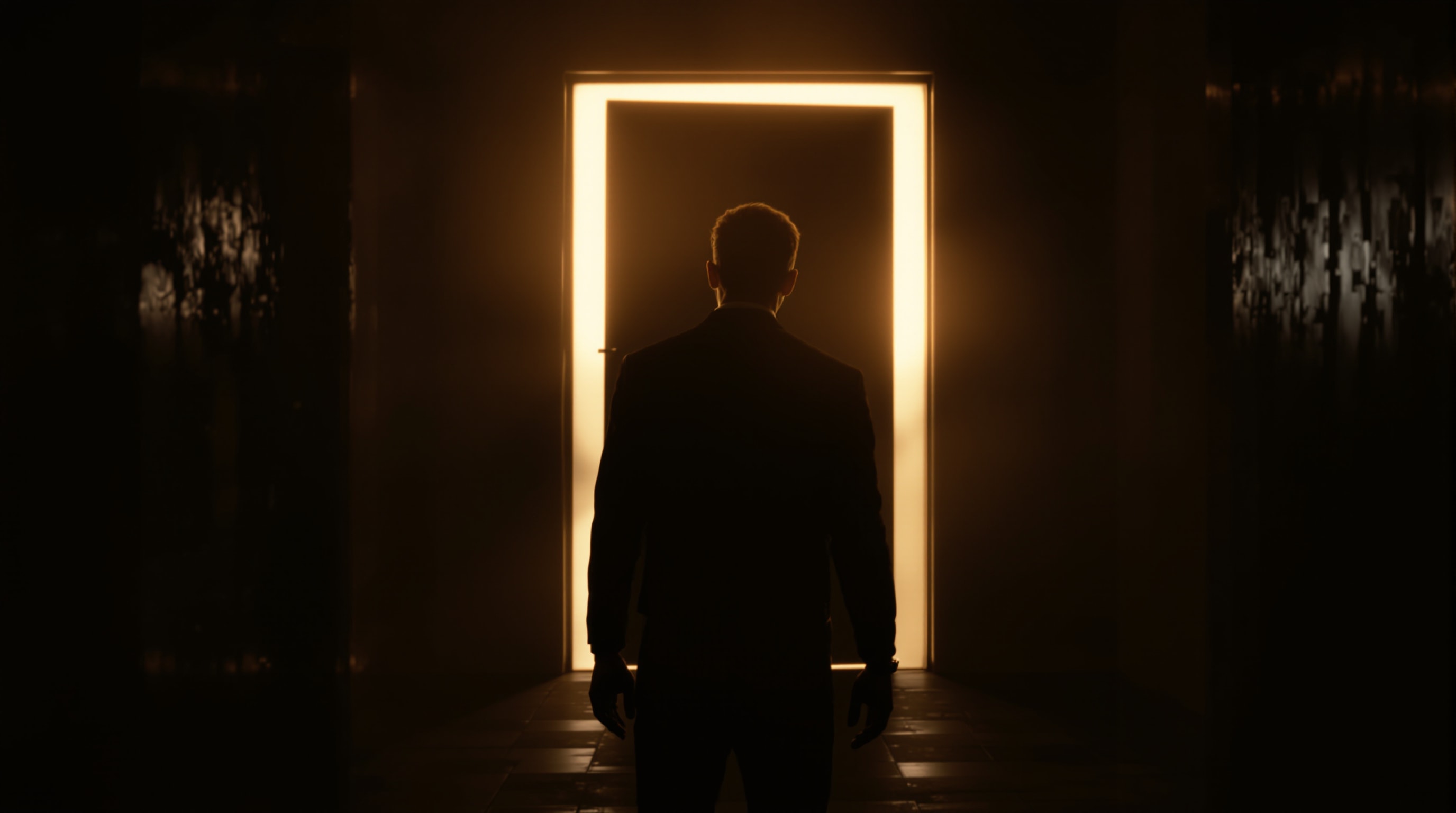
A production still is a single photograph that represents your film to everyone who has not yet seen it. It is the image on the festival program, the frame in the press article, the thumbnail on the streaming page, the poster on the wall. Long after the shoot ends, the stills keep working — and a film with strong stills looks like a film worth watching, while one with only blurry phone snaps from the monitor looks like a film that was not taken seriously. This is craft worth planning for, not an afterthought.
A Still Is Not a Frame Grab
It is tempting to pull promotional images straight from your footage, but a frame grab and a photograph are different objects. Video frames are optimized for motion, not for the crispness and depth a printed or high-resolution still demands; pulled frames often look soft and thin. A dedicated photograph, shot alongside the scene, has the resolution, the frozen decisive moment, and the compositional care that a poster needs. When the budget allows, treat stills as their own deliverable, not a byproduct.
What Makes a Great Still
The strongest production stills tell a story in one frame. They capture a charged moment between characters, a striking use of light, or an image that raises a question the viewer wants answered by watching. Avoid the flat, everyone-looking-at-camera publicity shot in favor of something that feels lifted from the world of the film. A great still has the same qualities as a great shot — intention, composition, and a point of view — and it draws directly on the same visual instincts you bring to the camera.
Working With a Set Photographer
On a larger production a set photographer works quietly through the day, capturing both the scenes and the behind-the-scenes life of the shoot. On a micro-budget short, this might be a friend with a good camera and a good eye, briefed to stay silent, kill the shutter sound, and never break the actors' concentration. The key is timing: the photographer shoots during rehearsals and between takes, or captures the scene itself from just outside the frame, so the camera department is never compromised for a photo. Get both kinds of image — the polished scene stills and the candid on-set moments, which humanize your film for press and audiences alike.
Build Your Kit as You Go
Every strong image you capture becomes an asset in your press kit — the package of stills, synopsis, and credits that festivals and journalists request. Organize and back up your stills the moment the shoot wraps, tag them so you can find the right image fast, and keep both high-resolution and web-sized versions ready. When a festival programmer or a writer asks for materials on a deadline, the filmmaker who can send a beautiful, correctly-sized still within the hour makes a very different impression than the one who cannot. Pair those stills with a sharp reel, and your film is ready to represent itself anywhere.